Why Buy a Home in Japan?
Searching online for “buying a home in Japan” will likely give you a long list of sites that ask the question, “how can you buy a home in Japan?” On paper, that question is easy enough to answer, and there is plenty of information out there explaining the basic process, including on our own website. Simple on the surface rarely means simple in practice, though, and there are plenty of exceptions waiting to throw a spanner in the works along the way. The process itself is rather complex and can feel like wading through a deep swamp, so we would not advise going it alone. Take an experienced real estate agency with you — one that keeps you afloat across the mire and stops you from sinking. (That's us, by the way!)
Leave that complicated process to us. The real question isn’t how to buy a property, but why. Indeed, why would you want to cross that deep and dark mire, committing to a property on the other side of the world? That is the question to answer first — without it, committing to anything at all becomes very difficult.
If you throw the same search query into YouTube, you’ll be spoilt for choice with the sheer number of videos from foreigners who have bought very cheap homes — often loosely, and not always correctly, labelled “akiya” (a term that simply means a vacant house, not a free or nearly free one) — under some sensationalist, clickbait tagline such as “DON’T BUY A HOUSE IN JAPAN” or “I bought a house in Japan for $2,000. Worth it?” I can’t really blame them — that is simply how YouTube works, and titles like that are what generate the clicks. The results are contradictory, too: some encourage you to buy, others warn you off entirely, at least according to their titles. The content of the videos themselves often says something rather different, which makes the whole conversation more confusing than it needs to be.
So why attempt the crossing at all? That is what I would like to cover in this month’s article. There is no single reason why anyone buys a house in Japan, so let’s go through some of the more common ones.
The Draw of the Dream

Many people living outside Japan have a romantic view of the country, and rightly so. Social media sites such as TikTok and Instagram have really helped build and strengthen this idea that Japan has everything, keeping one foot firmly in the past while stepping out into the future with its high-speed rail, robot waiters and neon lights.
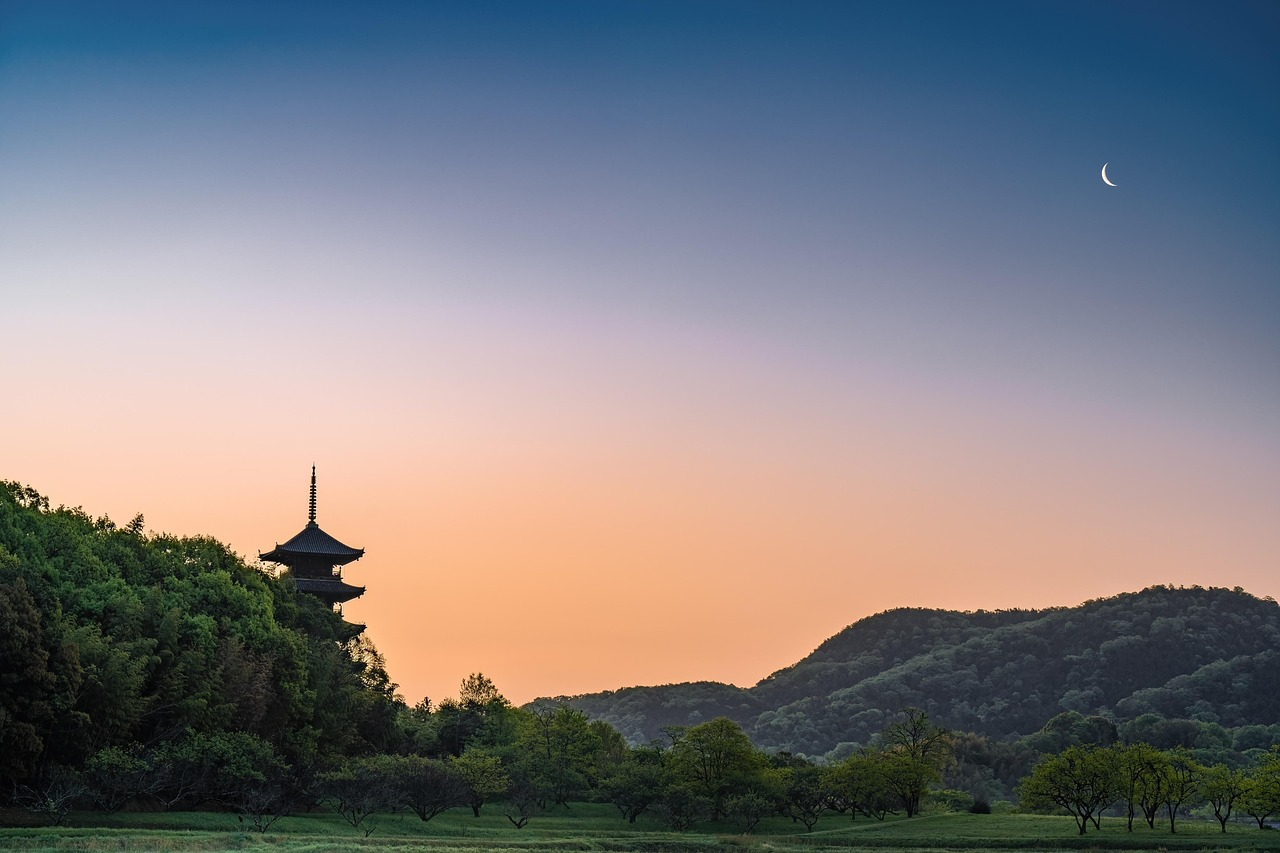
Japan offers much of what people expect: beautiful countryside, lush green woods and forests, mountains stretching across the country just waiting to be climbed. The lifestyle Japan affords is a large part of the appeal, and with your own base here, in a location that suits you, it becomes far easier to experience that lifestyle regularly and on your own terms. Instead of rushing around for ten days trying to squeeze everything in, homeowners can take the country at a far more leisurely pace, and get considerably more out of it. Rather than limiting yourself to the more popular (and crowded) spots such as Kyoto, Osaka and Tokyo, you are free to broaden your horizons and seek out the less-trodden paths — and there are a great many of them. For many people, owning a house in Japan stays firmly in the realm of daydreaming. It needn’t: plenty of buyers have made it happen, and continue to do so with our help.
The Ghibli Effect

There is a generation of people who grew up in an era of burgeoning enthusiasm for everything Japanese. Japan has fascinated the West ever since it emerged onto the world stage in the latter half of the 19th century and began to exert its influence abroad. However, much of what Japan had to offer was out of reach to the average person until the 1980s — and what did reach us earlier tended to arrive so heavily localised that few of us realised where it had come from. That decade is when Japanese soft power took hold in earnest, inspiring a whole generation of children across the Western world and many other parts of Asia. I myself am one of them.
That generation is older now, but many still hold on to the affection for Japan that took root in their formative years. It is undoubtedly the reason why I came to Japan: a love of Japanese culture that grew into a determination to live here, and to experience what I had watched on TV in real life, without the animated filter. Thankfully Japan delivered, and thirteen years later I still love it. While photographers, videographers and so-called influencers on social media may still layer on those filters, that doesn’t take anything away from the real, natural beauty Japan has to offer.
A Land of Mountains

What exactly counts as a mountain? There is surprisingly little agreement on the matter, but we can all agree that Japan has a great many of them, including one of the most famous in the world, Mt. Fuji. Estimates of how much of the country is mountainous range from about 70% to 80%, and that spread is rather the point: the figure depends entirely on where you draw the line. The number most often quoted is around 73%, counting land above 200 metres. Either way, it is most of Japan. Those mountains offer a great deal to travellers and locals alike. One of the most popular destinations for home buyers is Hokkaido, and it is easy to see why. Homes are relatively cheap and there are ski resorts dotted all around Japan’s largest prefecture. While an influx of foreign property buyers has had an impact on the price of real estate in these areas, there are still plenty of options out there for various budgets.
Freedom to Buy

One thing that surprises a lot of first-time buyers is just how open the Japanese property market is. There are no nationality or residency requirements on buying real estate here: a foreign national living overseas can own land and buildings outright, in freehold, on the same terms as a Japanese citizen. You do not need a visa, a local company or a Japanese partner to hold the title.
The flip side is equally worth knowing: owning a home in Japan does not grant you any right to live here. Property and immigration are entirely separate matters, so if your plan involves spending long stretches in the country, the visa question needs answering alongside the purchase, not after it.
Investment Opportunity

Many of our customers invest in Japan in two steps. The first is to establish a base for yourself in a location of your choosing — ideally one with convenient transport links to an international airport, such as Haneda, Narita or Kansai, so that you can reach your own property easily whenever you visit Japan. There are plenty of other international airports to consider, so where you establish your base will likely come down to where you are travelling from and which routes are open to you. Don’t limit yourself to the well-known areas; there is likely somewhere out there that is a much better fit.
The second is to explore, getting a feel for your surroundings and working out where the investment opportunities actually lie. There are some safe options to start with, such as ski resorts in Hokkaido or Nagano, or surfing and diving paradises such as the subtropical islands of Okinawa or the popular waves of Tsurigasaki Beach in Chiba prefecture, but note that they may be more expensive than other options depending on the area. We would always recommend having some idea of where you want to invest before committing to a house of your own, though you won’t truly get a feel for what is available until you are here in person.
The opportunities are genuinely varied: whether you are planning a small empire of holiday lets in tourist hotspots or a handful of apartments and houses to rent out, Japan has a great deal to offer.
A Renovator’s Heaven

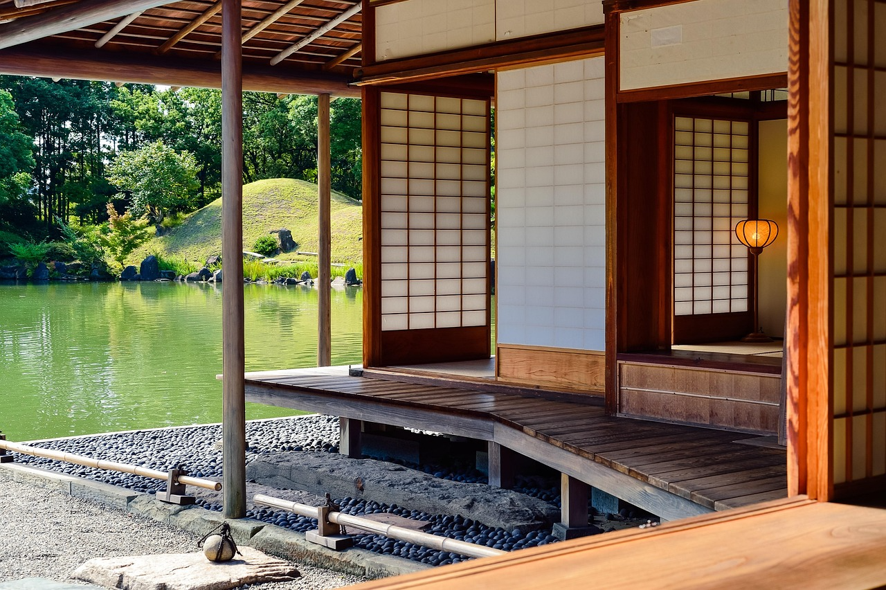
Older homes hold surprisingly little appeal on the domestic market, where new builds are strongly preferred — which is a large part of why the number of vacant homes keeps growing. For anyone who enjoys working with their hands, that is less a problem than an opportunity. The market attracts a steady stream of renovators, professional and amateur alike, all looking for a project, and Japan offers something you simply cannot get elsewhere: the chance to work with traditional Japanese carpentry, on a traditional Japanese house.
There is money in it, too. Doing up an older property in a desirable location can turn a profit, or lead to paid work for other akiya buyers — though I doubt that is the main draw for anyone genuinely passionate about the craft. While I may have grumbled about many YouTube channels earlier, they come into their own here, with plenty of them documenting the whole process in detail that make genuinely good viewing. Our own company president has just begun renovating an older home in Chita, Aichi prefecture, so do look out for more on that in future.
Paying for It and Other Important Matters

Financing the Purchase
Real estate is a significant investment, and we would only ever recommend buying to those who are comfortably in a position to do so. Financing is the harder part of the equation. Buyers living outside Japan are very unlikely to secure a mortgage from a Japanese bank, so in practice an overseas purchase will be a cash purchase. Foreign nationals already resident here do have options, particularly those with permanent residency.
Beyond the Purchase Price
It is worth budgeting well beyond the headline price, too. On top of the purchase itself there are acquisition costs — agency commission, registration and licence tax, real estate acquisition tax, stamp duty and a judicial scrivener's fee for the title transfer — which together add a meaningful percentage to the total outlay. After completion, owners pay an annual fixed asset tax, plus city planning tax in designated urban areas, and apartment owners also pay monthly management and repair-reserve fees. If you plan to buy a cheaper property, then we recommend considering additional renovation costs as well, which we usually estimate to be around ¥5,000,000 depending on the condition and base price of the property.
Then there is the question of what happens while you are not there. An empty house still needs airing, gardens still grow and winters in places like Hokkaido are hard on an unheated building, so most overseas owners factor in some form of property management from the outset. None of this should put you off — it simply belongs in the sums from day one rather than as an unwelcome surprise in year two.
So, Why Buy?

There is no single answer, and that is rather the point. For some it is the lifestyle and the landscape; for others it is a childhood fascination finally acted upon, or a base to return to year after year, or a return on capital in a market with genuine tourist demand. Most of our buyers arrive with some mixture of all four. What matters is being clear about which of those reasons is driving you, because that answer shapes everything that follows — where you buy, what you buy and how you pay for it. Work that out, and the swamp becomes a good deal easier to cross. We will handle the wading.
Are you interested in buying property in Japan? If you are, we are here to help. You can book a free consultation with our team to discuss your options and help you figure out what you would like to do. Click on this link to go to our questionnaire page and submit your details and book a time slot with us.
If you’re not ready start the process yet, consider signing up to our newsletter by clicking the link here or head over to our YouTube channel where you can watch some of our latest and past property viewings.